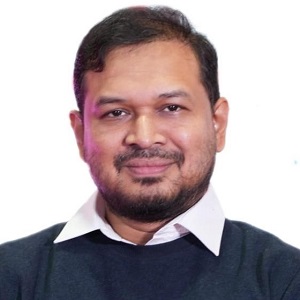
Dr. Mohammad Abbas Uddin Shiyak, Head, Dept. of DCE
Welcome to the Department of Dyes and Chemical Engineering (DCE), Bangladesh University of Textiles (BUTEX).
Bangladesh's textile and apparel industry is one of the country's most important economic sectors and a major source of export earnings. The scale and technological complexity of this industry create a corresponding demand for advanced knowledge in fibres, materials, dyes, pigments, textile chemicals, formulations, colour science, textile processing, and chemical and process engineering. The chemistry and engineering behind textile production are therefore not simply supporting disciplines—they are fundamental to product quality, functionality, innovation, resource efficiency, environmental performance, and value addition.
The opportunity extends well beyond textiles. Bangladesh has a rapidly growing chemical market, estimated at approximately US$6–8 billion, with industry stakeholders reporting annual growth of around 10–15%. At the same time, the country remains highly dependent on imported chemicals, with chemical imports reaching approximately US$6.2 billion in FY2024–25. This combination of strong domestic demand and import dependence creates significant opportunities for local chemical manufacturing, synthesis and formulation, process innovation, technology development, and skilled human resources.
The textile sector itself represents a major chemical-consuming industry. Research published by the Institution of Engineers, Bangladesh estimated annual textile chemical consumption at approximately 1.75 million tonnes, with a value of around US$2 billion. This illustrates both the scale of chemical inputs required and the potential for developing stronger local capabilities in textile dyes, pigments, auxiliaries, functional finishes, formulations, and sustainable chemical solutions.
Against this backdrop, DCE brings together textile engineering, chemistry, materials science, colour science, and chemical and process engineering. Our education, laboratory activities, research, and industry engagement are built around five closely interconnected pillars.
- Fibre Science and Materials
DCE provides a strong foundation in fibre science, polymer chemistry, and textile materials. Students study natural and man-made fibres, fibre-forming polymers, polymer structure and properties, material characterization, and the relationship between material structure and textile performance. This foundation enables them to understand how fibres and materials respond to chemical, mechanical, thermal, and processing conditions.
- Synthesis and Formulation of Textile Dyes and Chemicals
A distinctive strength of DCE is the synthesis, characterization, formulation, and application of textile dyes, pigments, and chemicals. This includes colour physics and colour measurement, textile auxiliaries, pretreatment chemicals, printing chemicals, finishing chemicals, and functional formulations. Students explore how molecular structure, formulation, fibre–chemical interactions, and processing conditions influence colour, functionality, and performance.
- Textile Processing and Applications
DCE covers the transformation of fibres and fabrics into functional and value-added textile products. Students study pretreatment, dyeing, printing, finishing, and other textile wet-processing technologies together with their underlying chemistry and process parameters. The emphasis is on understanding, controlling, optimizing, and improving textile processes to achieve the required colour, quality, functionality, durability, and productivity.
- Chemical and Process Engineering
The Department integrates chemical engineering principles with textile and chemical applications. Courses and laboratory activities include fluid mechanics, heat and mass transfer, reaction engineering, process engineering, process control, equipment and process design, and related engineering disciplines. These provide students with the ability to understand, design, operate, optimize, and scale industrial processes.
- Sustainability and Advanced Applications
Building on these foundations, DCE addresses emerging challenges and opportunities in sustainable and advanced textile and chemical technologies. Areas include sustainable chemistry, chemical management, resource efficiency, wastewater and environmental technologies, circular economy, decarbonisation, advanced materials, functional textiles, and innovative process technologies.
Together, these five pillars connect fundamental science with chemical and engineering principles and their practical application in the textile and chemical industries.
Our goal is to prepare graduates who can work across the boundaries of chemistry, textile technology, materials, and engineering. They are equipped for careers in textile manufacturing, dyes and pigments, chemical synthesis and formulation, research and development, testing and analysis, process engineering, technical services, environmental management, and entrepreneurship.
Research and collaboration are central to DCE. We bring together faculty members, students, researchers, industry professionals, international universities, development organizations, and technical institutions to address scientific and industrial challenges. Our research and innovation activities span dyes and pigments, colour science, textile chemicals, chemical formulation, textile processing, polymers and materials, process engineering, analytical science, sustainable chemistry, environmental technologies, circularity, and industrial decarbonisation.
As Bangladesh moves towards higher-value textile production, stronger backward linkages, greater chemical self-reliance, improved environmental performance, and more sophisticated manufacturing capabilities, the role of Dyes and Chemical Engineering is becoming increasingly important. DCE contributes to this transformation by developing skilled professionals, generating relevant knowledge, supporting industrial innovation, and strengthening national capacity in textile and chemical technologies.
We believe that the integration of chemistry, colour science, materials, textile technology, and chemical engineering provides a powerful platform for innovation and industrial development. Through education, research, collaboration, and industry engagement, DCE is committed to contributing to a more technologically capable, competitive, innovative, and sustainable Bangladesh.
DCE welcomes talented and motivated students, researchers, academics, and industry partners from Bangladesh and around the world to join us in shaping the future of textiles, chemicals, materials, colour, and sustainable industrial development.
Collaboration is an integral part of the Department of Dyes and Chemical Engineering (DCE), enabling students and faculty to engage with industry, international universities, development organizations, and technical institutions. Over the years, DCE has developed partnerships that support capacity building, applied research, professional training, laboratory development, and knowledge exchange.
SWITCH2CE Capacity Building | 2024–2026
DCE, BUTEX collaborated with the SWITCH2CE programme (https://www.switchtocircular.eu/) to strengthen capacity in sustainable and circular textile and chemical practices. The collaboration focused on developing knowledge and skills relevant to resource efficiency, circularity, sustainable chemical management, and the transition towards more sustainable textile value chains.
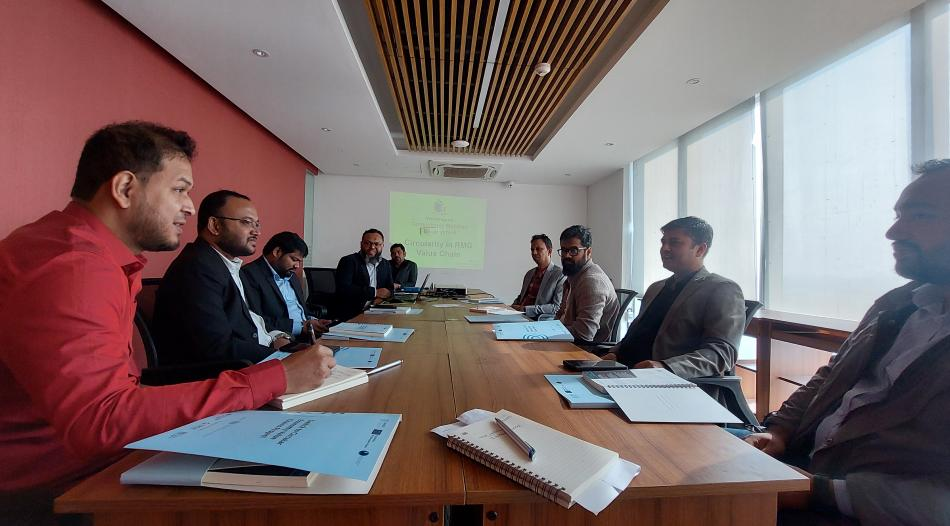
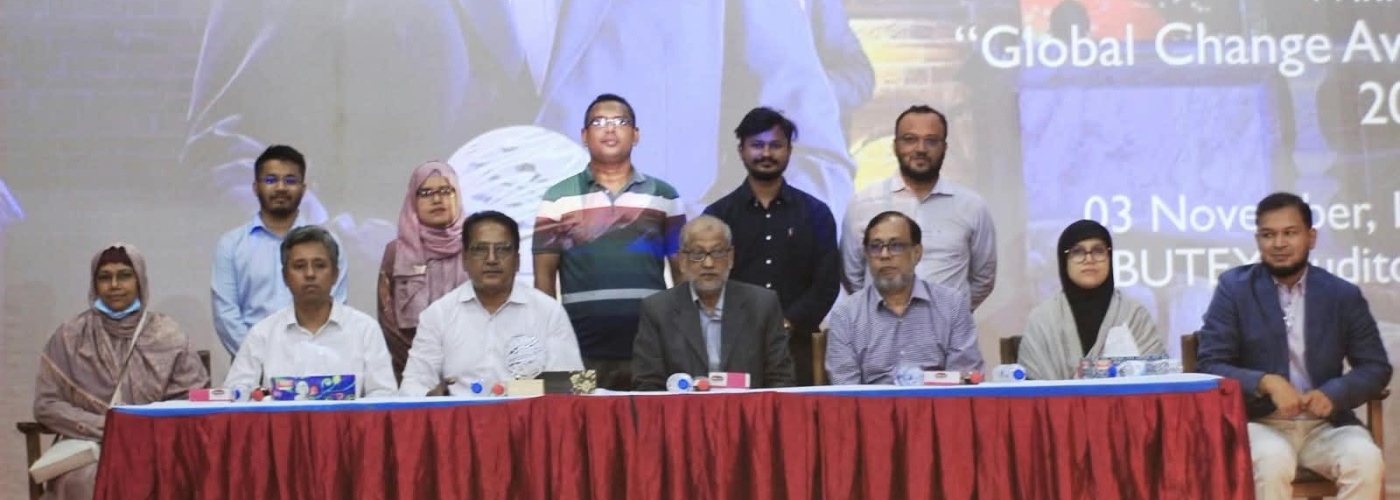
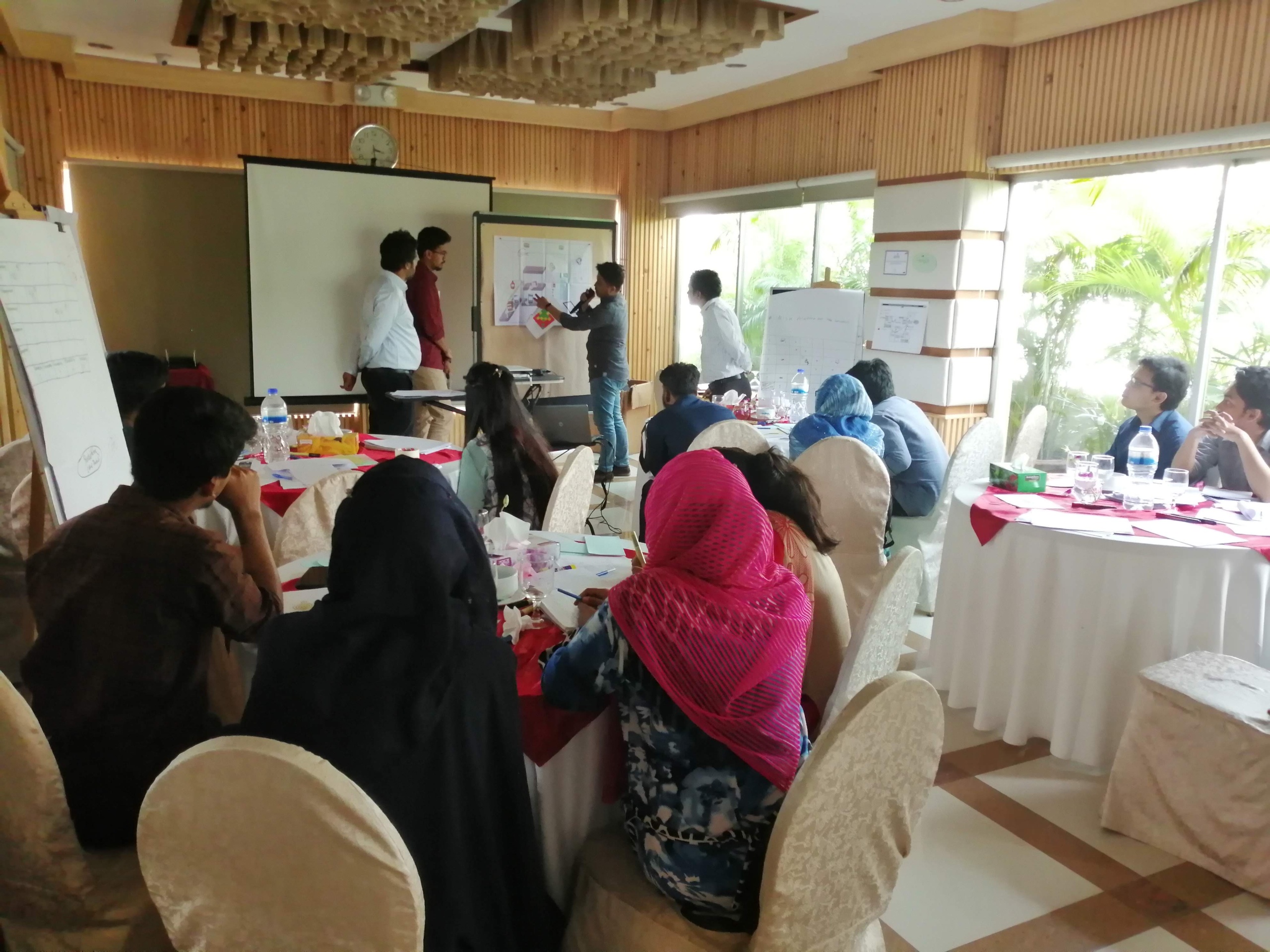
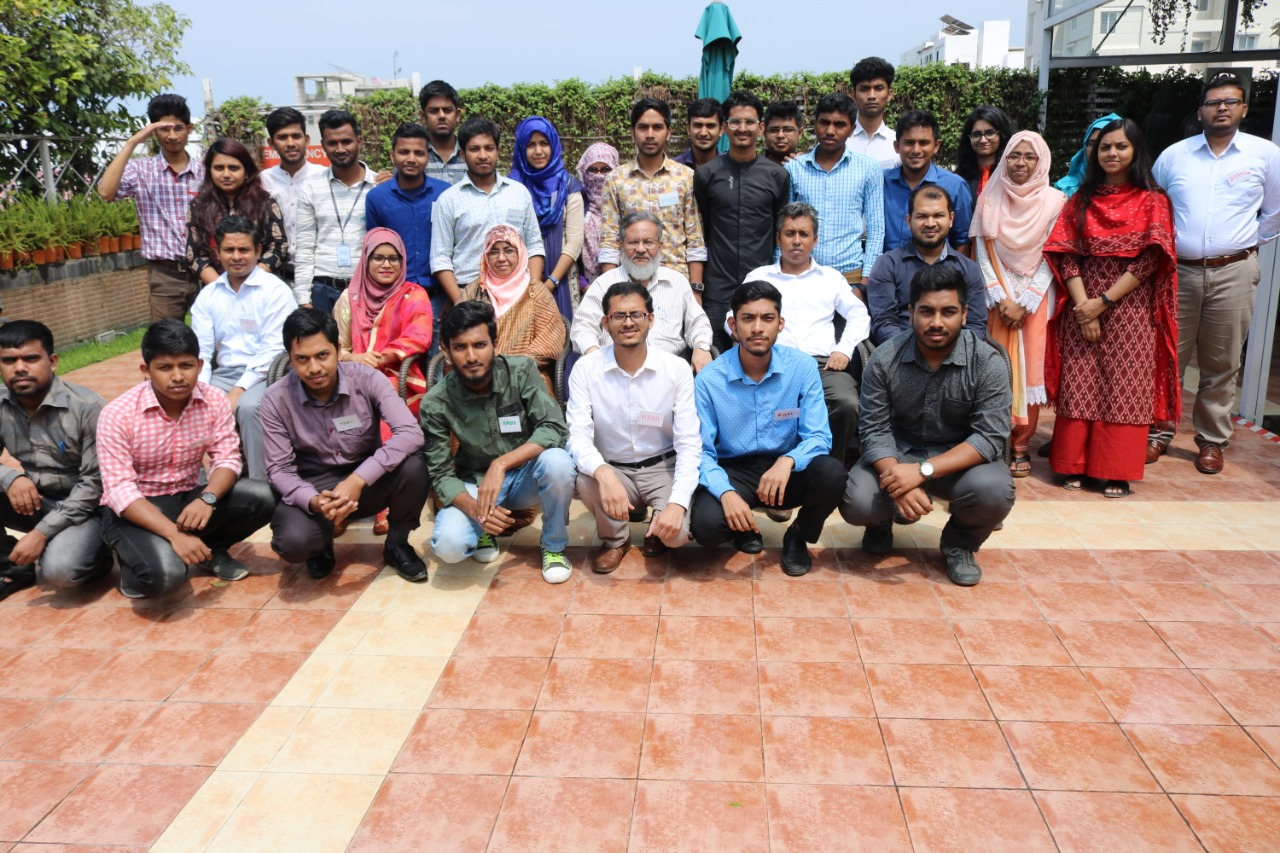
Discussion moment between BUTEX team and other Stakeholders for SWITCH2CE program
Strategic Alliance (STA) – GIZ | 2018–2022
DCE established collaboration with Strategic Alliance (STA), implemented by Deutsche Gesellschaft für Internationale Zusammenarbeit (GIZ) GmbH, to strengthen capacity in sustainable chemical and environmental management.
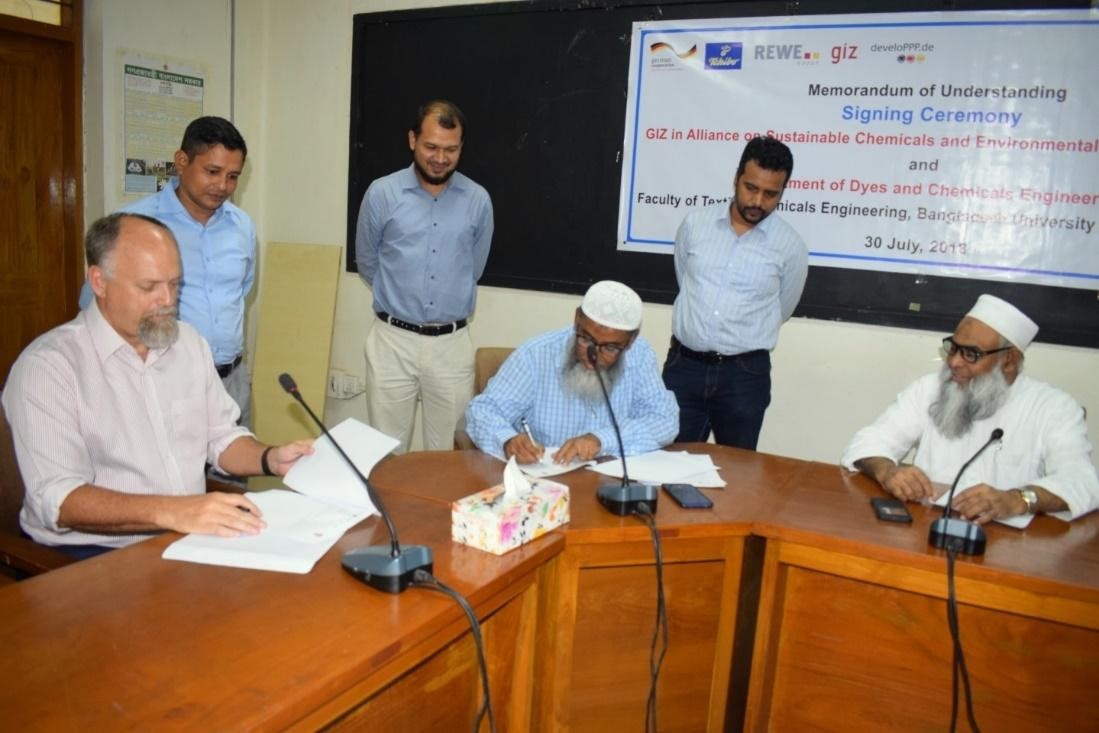
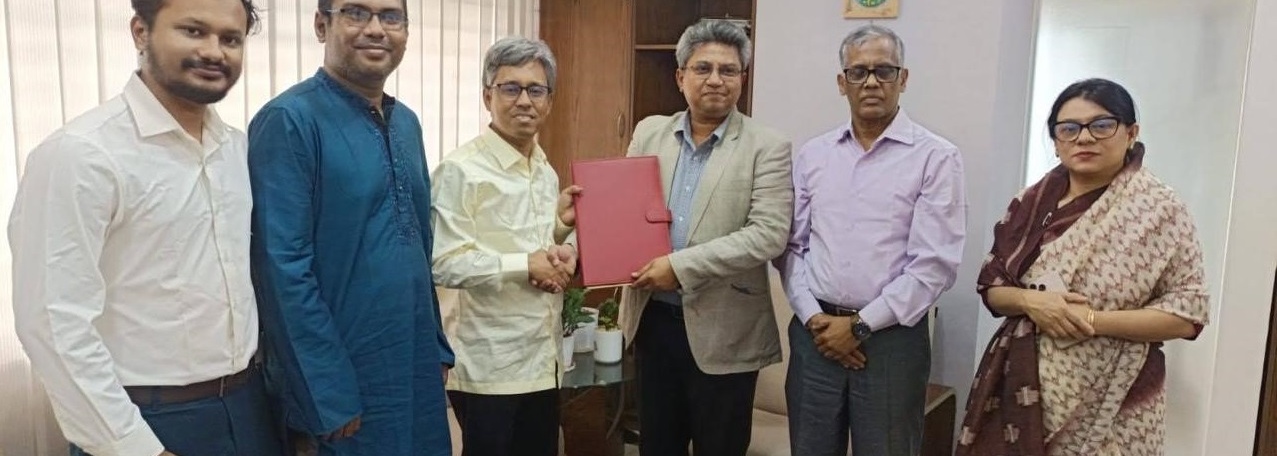
MoU signing between DCE BUTEX and GIZ
The collaboration included:
- Training and capacity development for BUTEX faculty members and students.
- Training of trainers and development of local training capacity.
- Engagement with industry and professional service providers.
- Knowledge exchange with international universities and experts.
- Seminars and workshops led by international academics and practitioners.
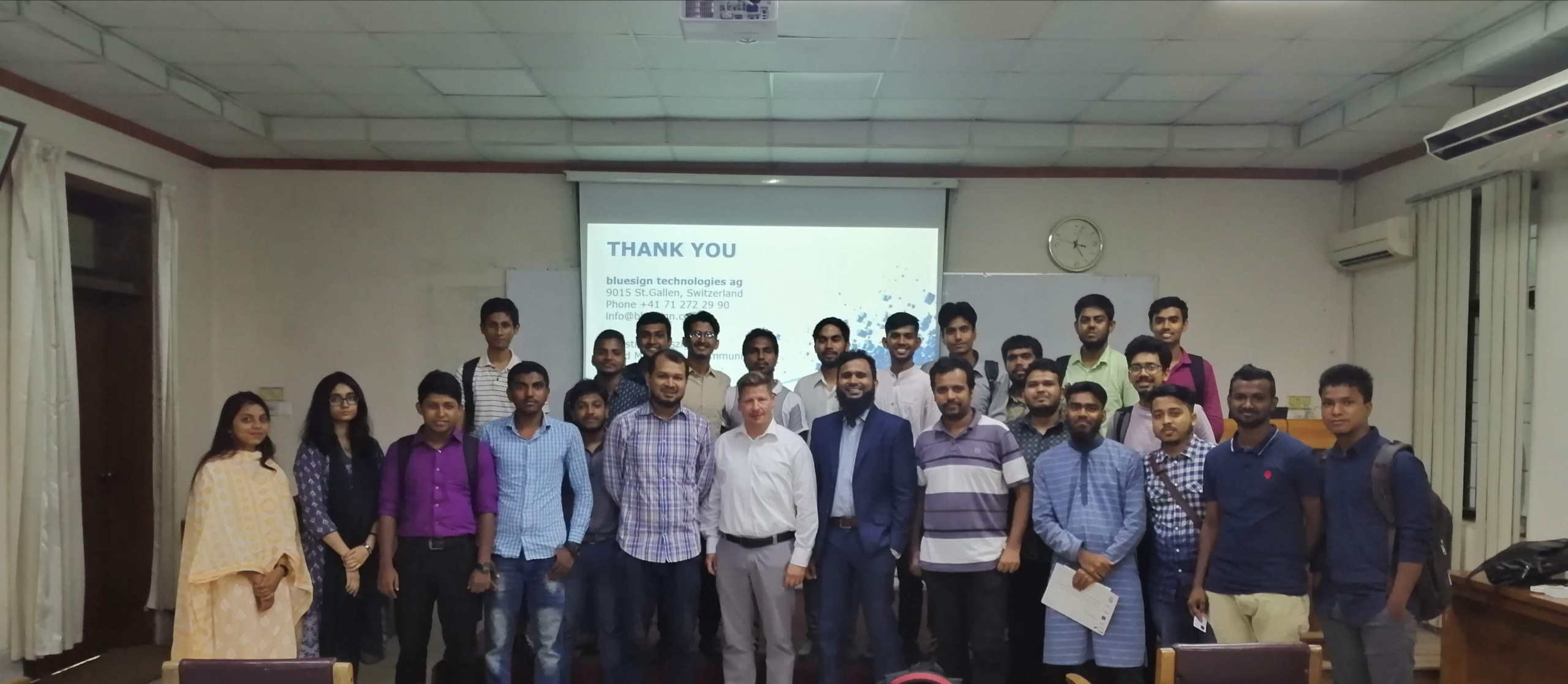
The programme included a three-day chemical management Training of Trainers programme for 30 BUTEX faculty members in August 2018, combining classroom and industrial field training. Student training programmes were subsequently organized on safe and sound chemical management in the textile industry, with particular emphasis on ZDHC, Detox and SAICM-related objectives. Professional training and expert seminars were also conducted to strengthen industry capacity.
UK–Bangladesh Collaborative Research on Sustainable Fashion and Textiles | 2018
DCE collaborated with Manchester Metropolitan University (MMU) on the project “Promoting Sustainable Fashion and Textiles Practices”, supported through the Global Climate Challenge Research Fund. The collaboration brought together researchers from DCE, MMU and BUFT to investigate sustainability challenges relevant to Bangladesh's textile and fashion sector.
The research focused on zero-waste apparel production, material sustainability, Bangladesh-specific research and stakeholder engagement, with an emphasis on translating research findings into practical approaches for sustainable fashion and textile production.
TUV Rheinland Bangladesh | 2020–2024
DCE collaborated with TUV Rheinland Bangladesh Pvt. Ltd. to strengthen interaction between academia and professional testing and certification services.
The collaboration included:
- Technical workshops and training for DCE students.
- Expert sessions on environmental and related technical topics.
- Support for laboratory development and test-method establishment.
- Proficiency and correlation testing.
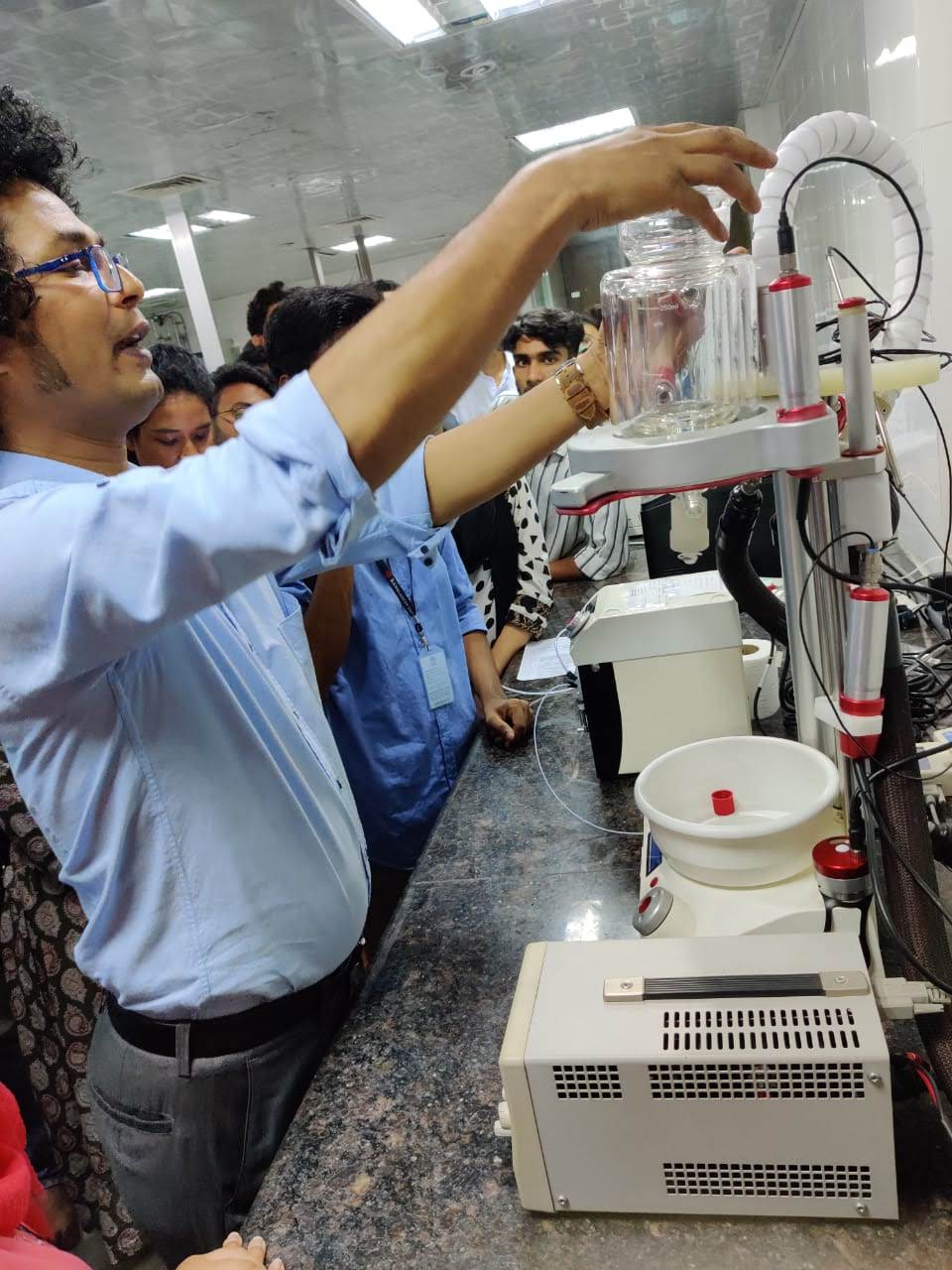
- Laboratory visits for BUTEX students.
- Technical support for undergraduate, postgraduate and future research activities.
Through these collaborations, DCE continues to strengthen the connection between academic education, applied research, professional practice, and the evolving needs of the textile and chemical industries.
Research at the Department of Dyes and Chemical Engineering (DCE) spans chemistry, materials, textile technology, chemical engineering, and emerging digital technologies. Our research connects fundamental science with industrial applications, addressing both current challenges and future opportunities in the textile and chemical sectors.
Research Areas
Dyes, Pigments, Colour Science and Textile Chemistry
Research on dye and pigment synthesis, colouration, adsorption, textile chemicals, formulations, and colour science.
- Fragrance extraction from recycled natural sources
- Extraction of dye from water hyacinth leaf by different processes and examine its suitability as food grade dye.
- Comparing the efficiency of water hyacinth (as photosensitizer) based dye-sensitized solar cell (DSSC) using various thickening agent in the electrolyte
- Determining the consumption coefficient of raw materials, processing chemicals and auxiliaries of cotton, polyester & blend (p/c) based knit fabric in industries
- Principal researcher (UGC grant 2024-25) comparing the efficiency of dragon fruit (Selenicereus Undatus) and blue pea (Clitoria Ternatea) as photosensitizer for dye-sensitized solar cells (DSSC).
- Optimizing the dyeing condition and investigating the antimicrobial properties of azo dye synthesized from Acacia Catechu (khoir)
- Dyeing of cotton fabric by natural dye extracted from khair using alum, ferrous sulphate and copper sulphate
Fibre, Polymer, Textiles, Apparels and Advanced Materials
Research on fibre-forming materials, polymers, functional materials, and advanced textile materials.
- Evaluation of recycled fiber ratios for eco-friendly knit grey fabric through CSP analysis
- Alkali-functionalized Jute Yarn for wool-like properties development: Physical, Mechanical, Functional, and Spectroscopic Analysis
- Interfacial Mechanisms of Reactive Dye Adsorption on a Waste-Cotton Derived PVA/TiO2/Cellulose Biofilm: A Molecular Dynamics and Physics-Informed Predictive Framework
- Interfacial Mechanisms of Reactive Dye Adsorption on a catkin based Biofilm: A Molecular Dynamics and Physics-Informed Predictive Framework
Textile Processing and Machinery
Development and optimization of textile processes, laboratory and industrial machinery, and process innovations.
- Design and development of prototype carding and dyeing machines, 2020-2022, (memo no BUTEX/2021/RNE/009 dated 23/98/2021 and বাটেবি/প্রশা:/১৪০/২০১৬ dated 04/12/2021)
- Plastic recycling and filament extrusion
AI, Digitalisation and Smart Textiles
Application of artificial intelligence, data-driven methods, digital technologies, and intelligent systems to textile materials, processes, quality, and manufacturing.
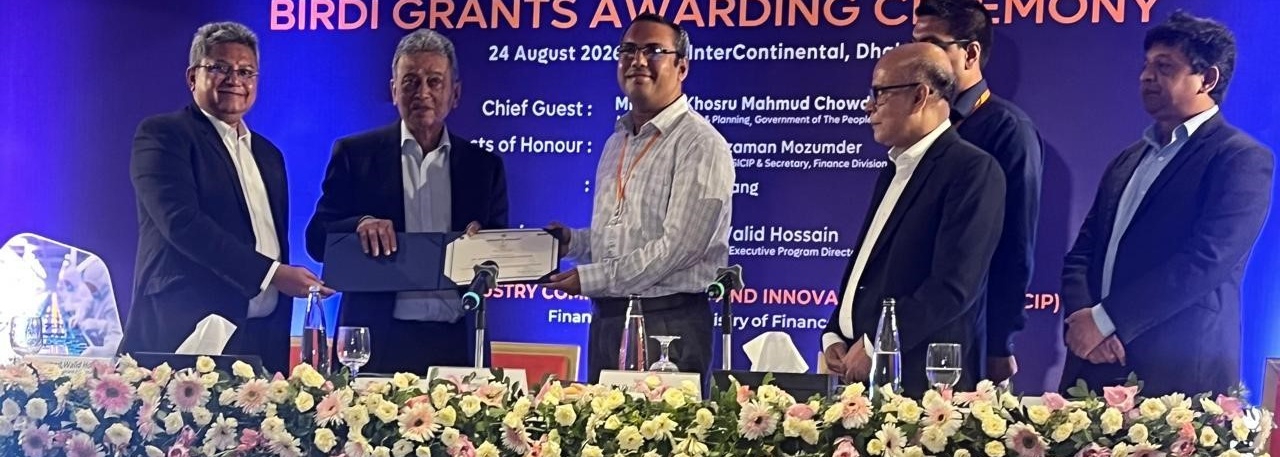
- SMART DYEING: An AI-Driven Closed-Loop Process Control System for Optimizing Resource Consumption in Knit Fabric Dyeing, with an approved budget of approximately BDT 2.18 crore. Project ID: EOI-100, Bangladesh Industry Research Development & Innovation (BIRDI) Research Grants under the Skills for Industry Competitiveness and Innovation Program (SICIP)
- Development of E-Textile at Low-Cost Wirelessly Controlled Pulse Acquisition system and Vibration System for Relaxing
Sustainability, Circularity and Resource Recovery
Research on natural dyes, waste-derived materials, recycling, resource recovery, sustainable chemical processes, circular textile systems, and waste minimization.
- Development of eco-friendly natural dyeing processes using waste tea extract, 2020-21 (memo no BUTEX/2021/RNE/009)
- Extraction of nanocellulose from Dhaincha (Sesbania Aculeate) and utilizes it as a filler to develop degradable bioplastic.
- Circular Economy: Analysis of the utility of Recycled Cotton on Denim Production
- Enzyme Wash on Denim Garments: A Sustainable Alternative to Stone Wash
Chemical and Process Engineering
Research involving reaction engineering, fluid mechanics, process design, process optimization, modelling, and scale-up of textile and chemical processes.
Environmental and Resource Management
Research addressing chemical management, wastewater, resource efficiency, cleaner production, decarbonisation, and environmental performance.
- The dye adsorption capability of Aluminium doped Cobalt-Manganese ferrites synthesised by sol-gel auto combustion methods
Through these research activities, DCE aims to develop new knowledge, technologies, materials, processes, and solutions that contribute to the advancement of Bangladesh's textile and chemical industries.
Academic and Research
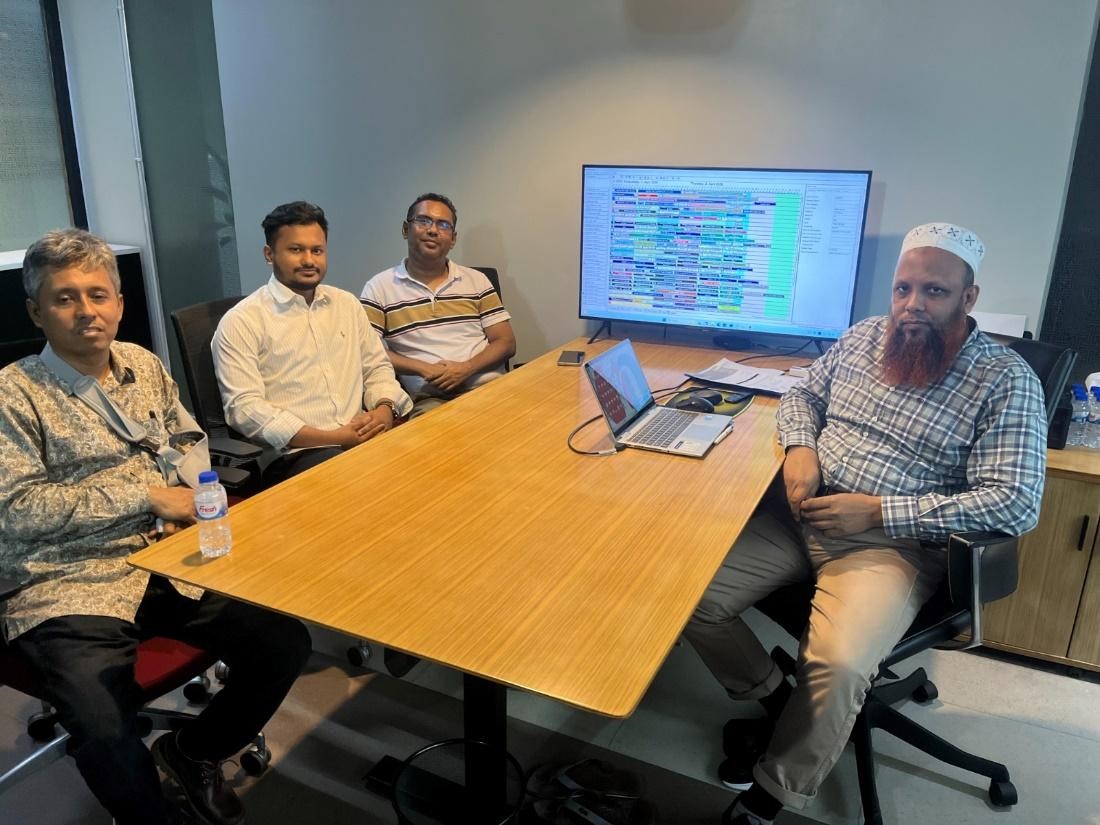
SMART DYEING team leads exchanging ideas with the Chief Operating Officer of Impress-Newtex, discussing scope for collaboration, 2026
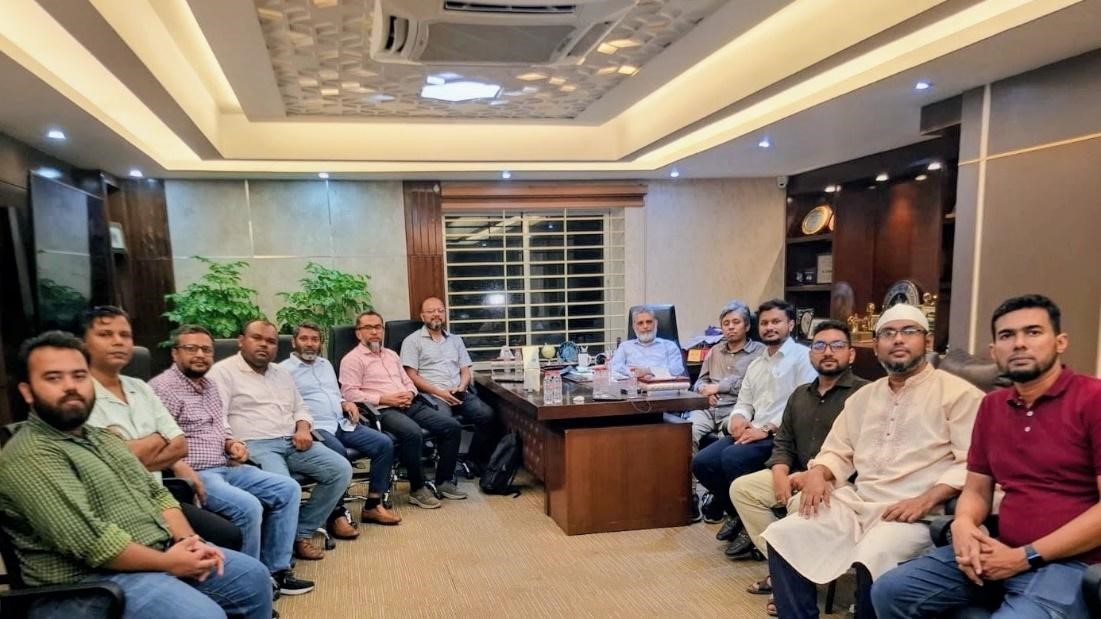
SMART DYEING research team at the HAMS Group head office, invited for an exchange of ideas with the technical management team on prospects for future collaboration,2026
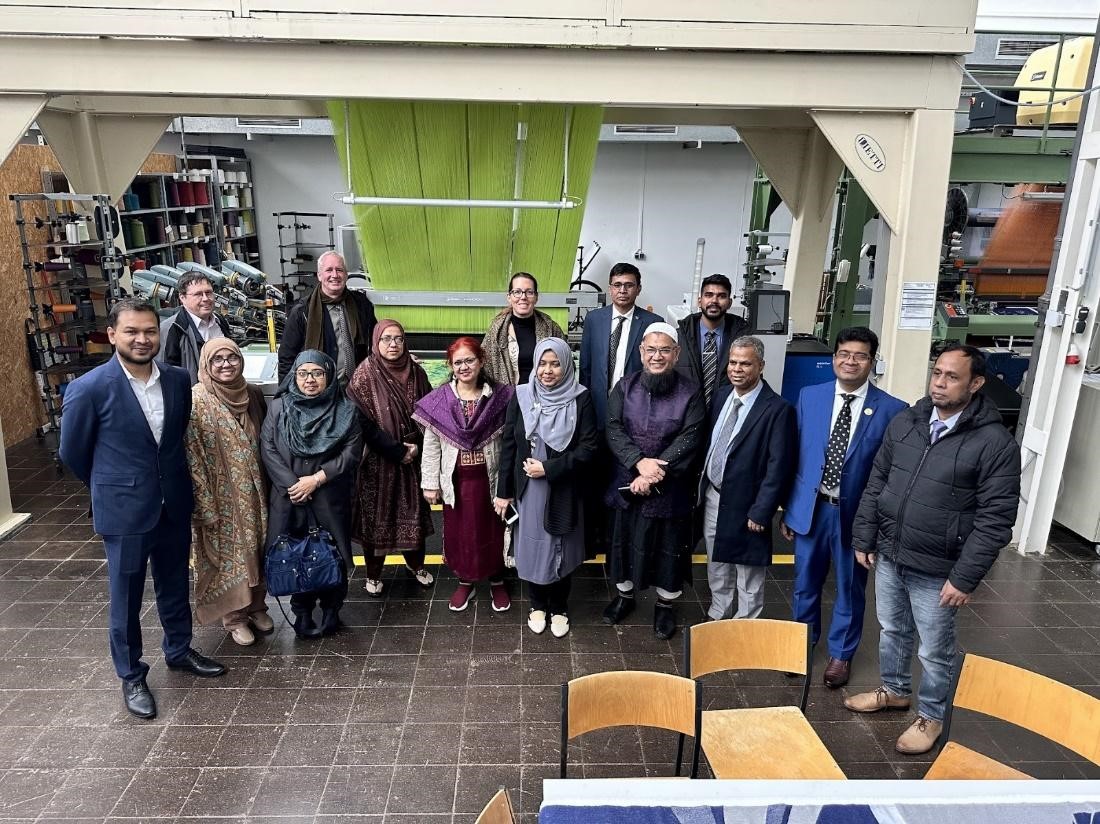
BUTEX Delegation visiting Hof University of Applied Science, Germany, 2024
Industry and Career
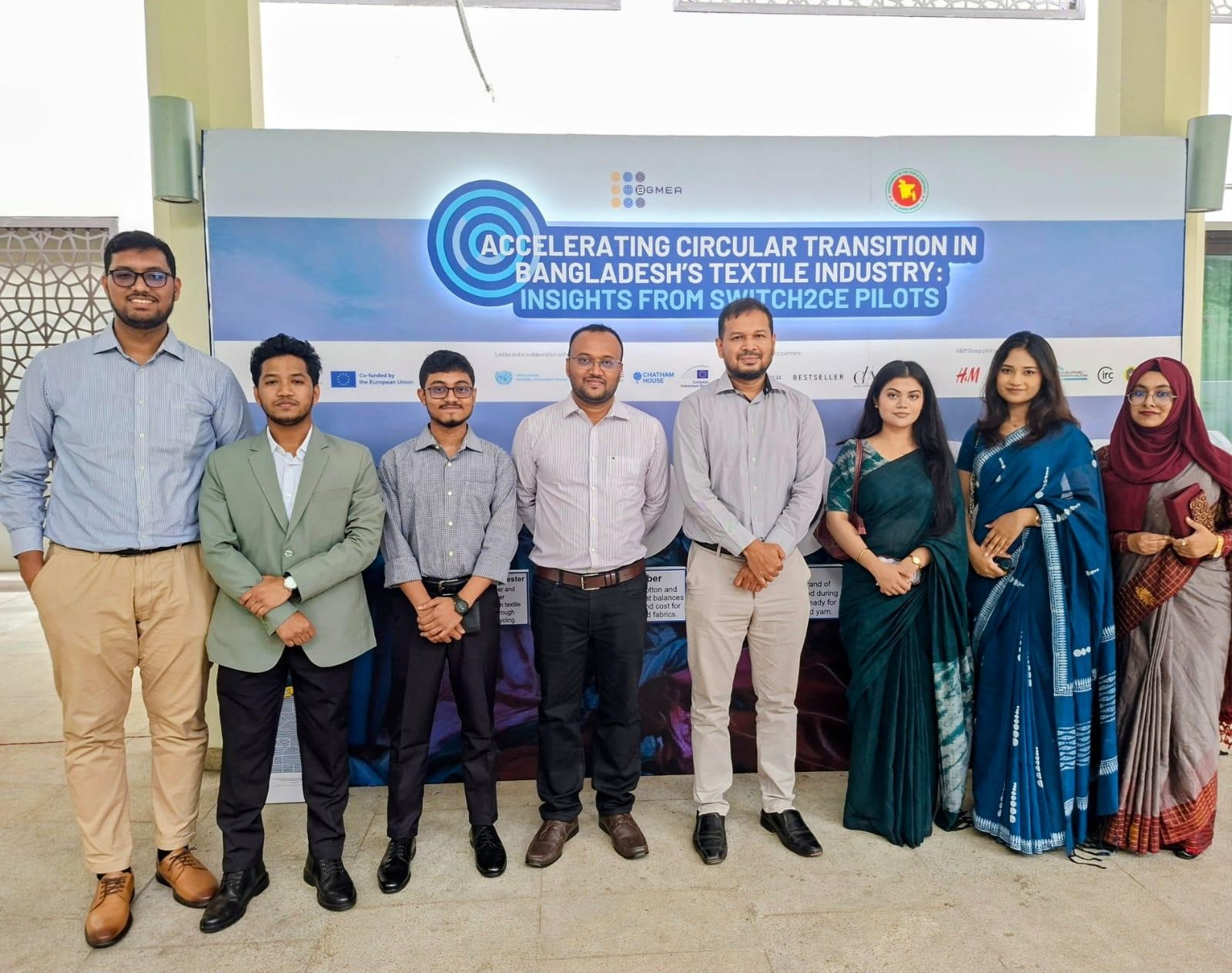
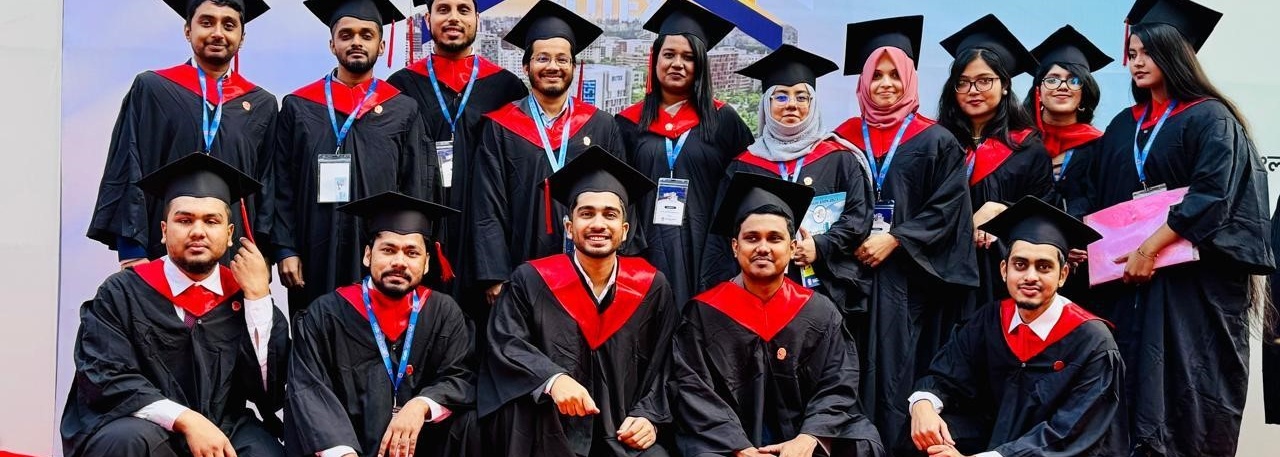
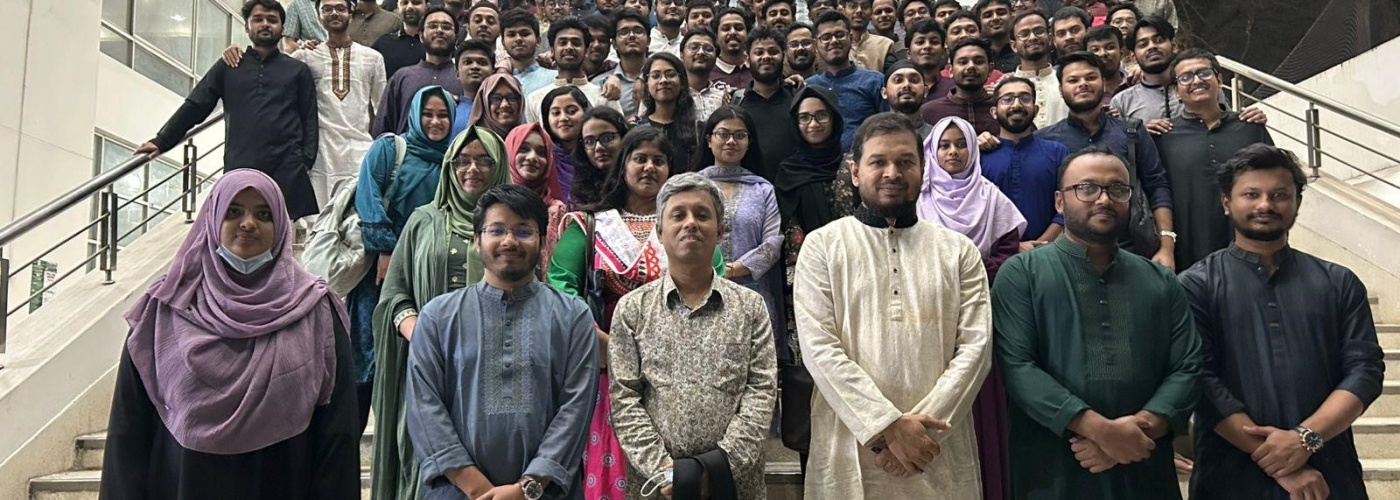
Students of DCE 49, with Abul Kalam Azad, Assistant Professor, and Dr. Mohammad Abbas Uddin, Associate Professor, DCE, BUTEX, at the SWITCH2CE Circular Economy Programme hosted by BGMEA, 2026.
For more details and regular update,
Visit: https://www.facebook.com/butex.dce/
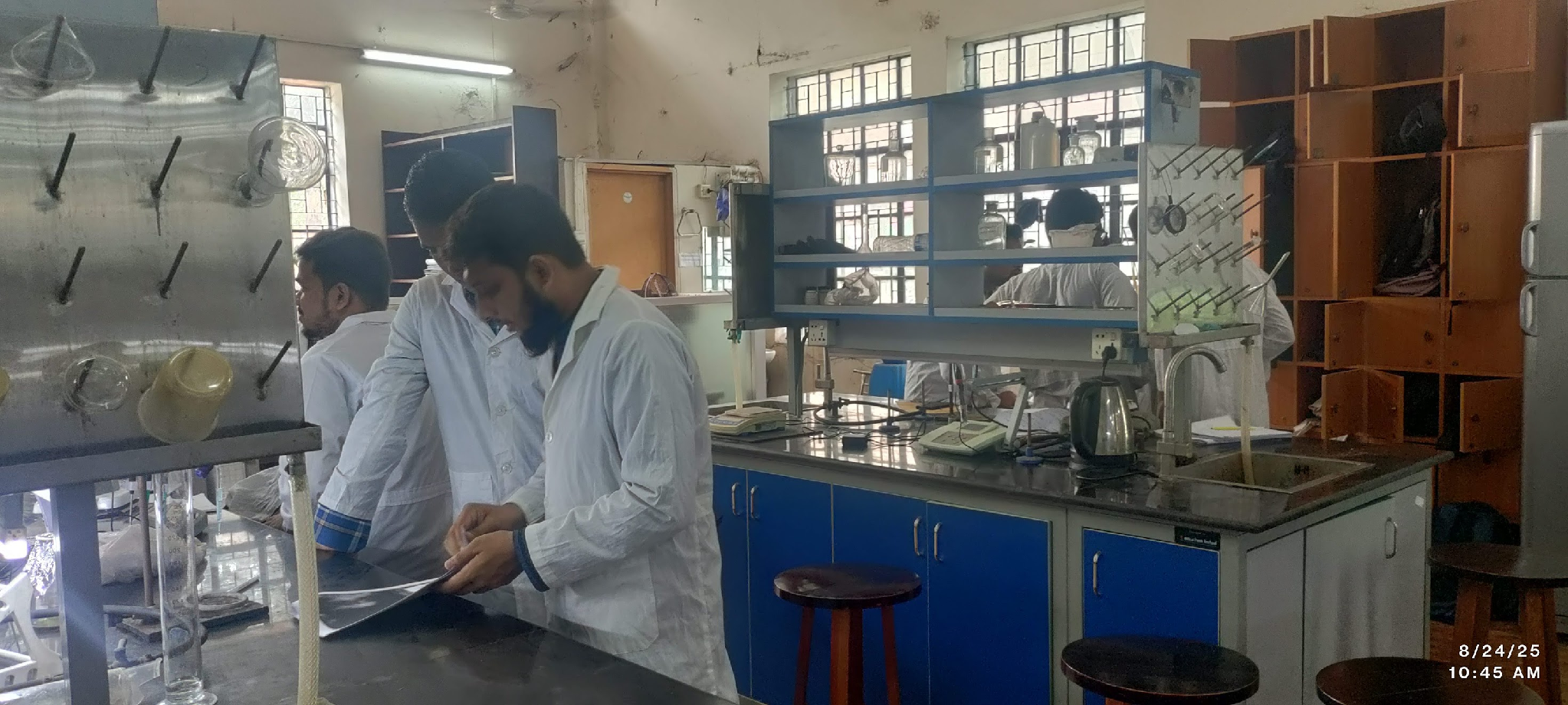
The Department of Dyes and Chemical Engineering (DCE) at Bangladesh University of Textiles (BUTEX) provides well-equipped laboratory facilities to support academic learning, practical training, and research. These facilities enable students and researchers to develop hands-on skills, conduct scientific investigations, and explore innovative solutions in dyes, chemicals, textile processing, and related fields.
Technical and Research Support Staff
Two permanent Technical staff
 |  |
Md Rowshanuzzaman Kanon Technical Officer BSc in Textile Engineering ( Wet Process Engineering ), BUTEX | Linku Das Craft Instructor B.Sc. in Textile Engineering,
Northern University, Bangladesh |
Lab facility
The Department of Dyes and Chemical Engineering (DCE) at Bangladesh University of Textiles (BUTEX) has four major types of laboratories: Synthesis Lab, Analytical Lab, Testing Lab, and Application Lab. These laboratories provide students and researchers with opportunities to develop practical skills, conduct scientific investigations, and explore innovative solutions in dyes, chemicals, textiles, and related fields
Synthesis Lab
The Synthesis Lab is dedicated to the preparation and development of dyes, chemicals, polymers, and other functional materials. It supports practical learning and research in chemical synthesis, reaction mechanisms, formulation, and material development.
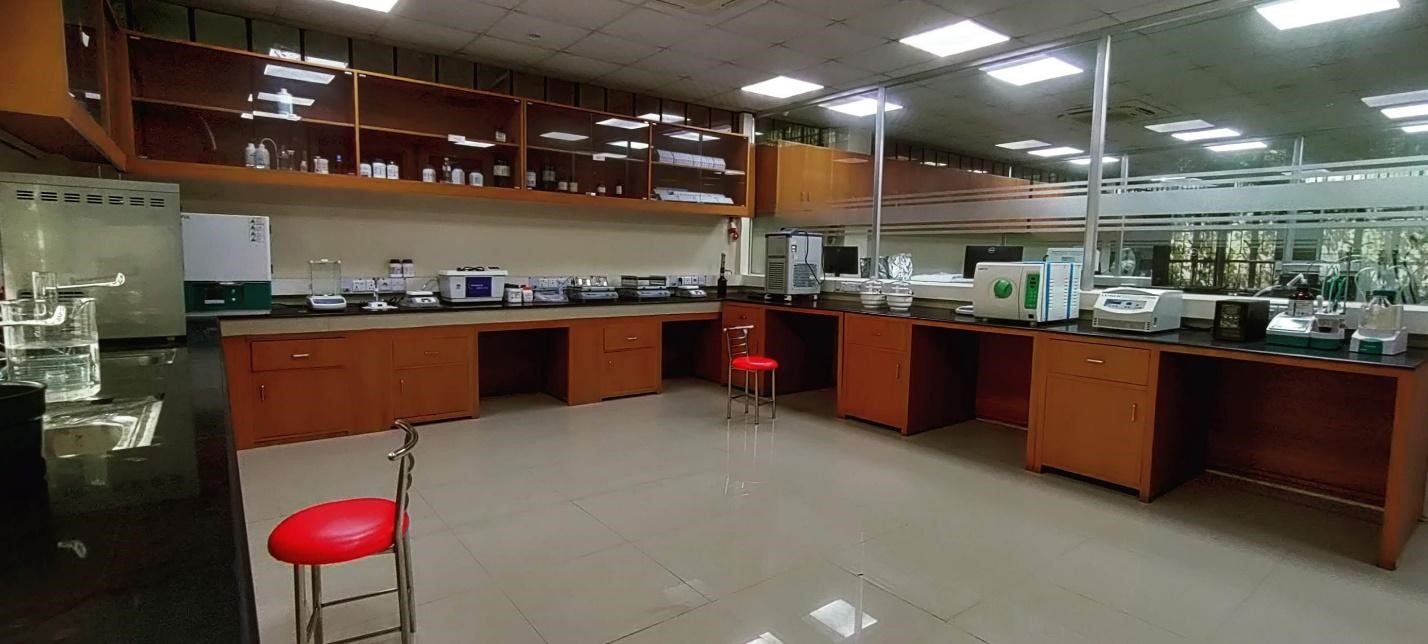
Analytical Lab
The Analytical Lab provides facilities for the qualitative and quantitative analysis of chemical substances, dyes, and materials. It enables students and researchers to characterize materials, determine chemical composition, and evaluate their properties using appropriate analytical techniques.
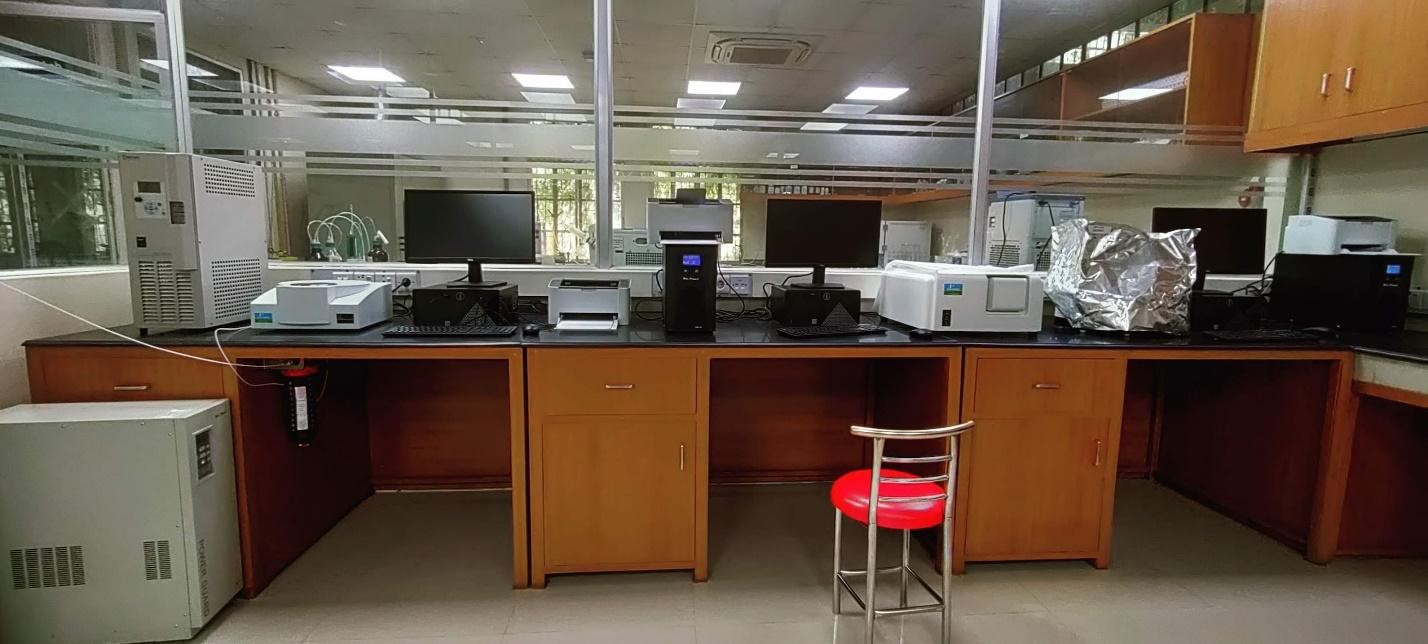
Testing Lab
The Testing Laboratory is designed to evaluate the physical, chemical, and performance characteristics of textile materials, dyes, and chemical products. It supports quality assessment, standard testing procedures, and the development of reliable textile products.
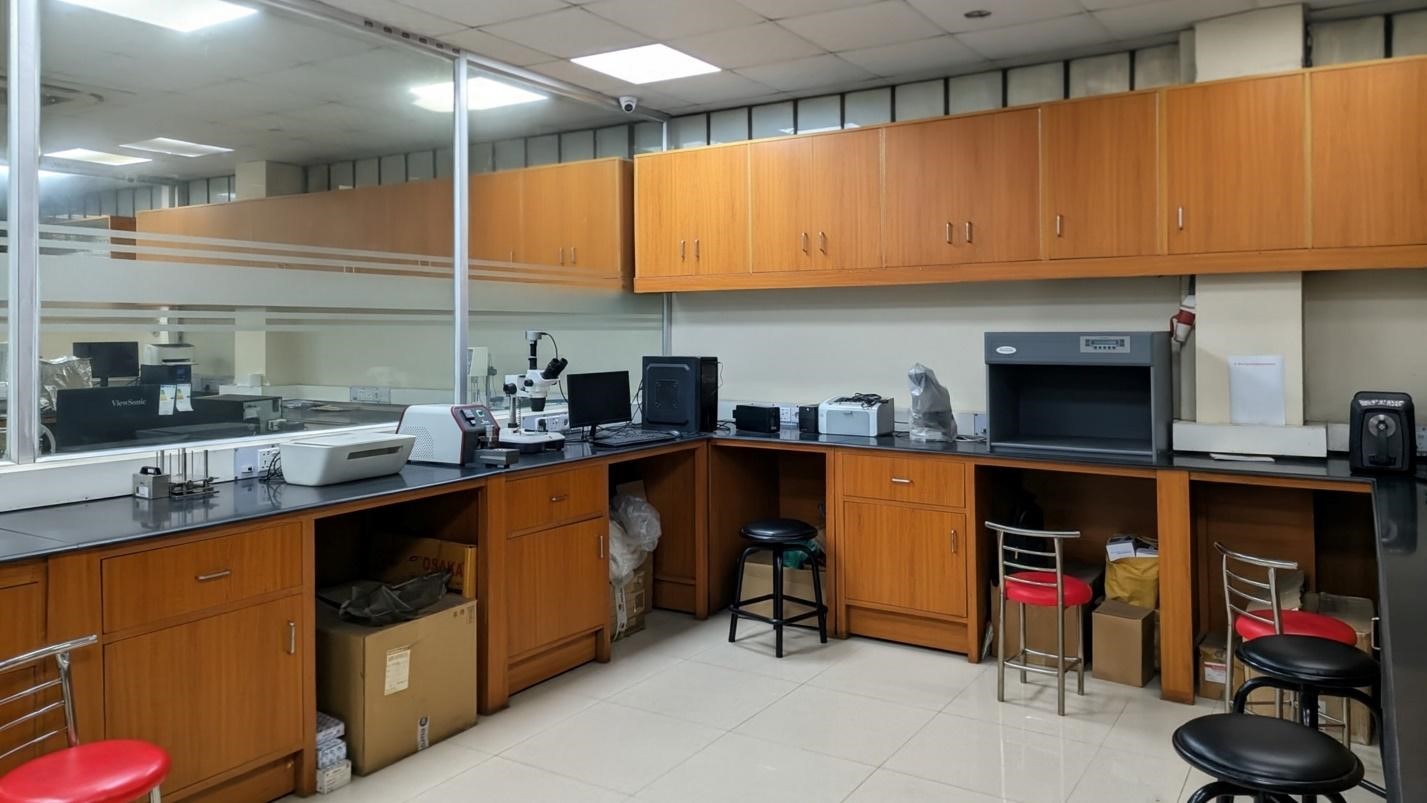
Application Lab
The Application Laboratory provides facilities for students to gain hands-on experience in textile dyeing, printing, finishing, and other chemical processing techniques. It supports regular laboratory classes, enabling students to apply theoretical knowledge to practical textile processing and develop essential technical skills.